The Ultimate Guide to Sewer Line Repair and Replacement
Sewer line repair and replacement is a crucial aspect of maintaining the plumbing integrity of any property. Understanding the ins and outs of this process can save homeowners both time and money. In this comprehensive guide, we will explore everything from the signs that indicate your sewer line may need repair to the various repair techniques available. We will also touch on the importance of proper maintenance.
What is a Sewer Line?
A sewer line is a critical component of the plumbing system that carries wastewater away from your home to the municipal sewer system or a septic tank. This line is typically buried underground, but its importance cannot be overstated. Just like any other part of your home, sewer lines can develop issues over time, necessitating repair or replacement.
Signs That You Need Sewer Line Repair or Replacement
Recognizing the signs of sewer line problems early can prevent extensive damage and costly repairs. Here are some common indicators:
- Frequent Clogs: If you experience repeated clogs, it could be a sign of a problem with your sewer line.
- Unpleasant Odors: Foul smells around your yard or home often indicate a sewer line leak.
- Water Pooling: Signs of pooling water in your yard or near a cleanout can suggest a sewer line issue.
- Slow Drains: If multiple drains are slow to drain, it may be due to a problem deeper in the sewer line.
- Patchy Grass Growth: Abnormally lush or green patches of grass can indicate a sewer leak fertilizing the area.
- Foundation Cracks: Water damage from a sewer leak can lead to structural issues if not addressed.
The Sewer Line Repair Process
When you suspect a problem with your sewer line, it's important to understand the repair process. Here’s a breakdown:
1. Inspection
The first step in the repair process is a thorough inspection. Professional plumbers often use a small camera mounted on a flexible rod to visually inspect the sewer line. This method helps pinpoint the exact location and nature of the problem without extensive digging.
2. Identifying the Problem
After the inspection, the plumber will determine the cause of the issue. Common problems include:
- Tree Roots: Roots can infiltrate older pipes, leading to blockages and breaks.
- Cracked or Broken Pipes: Aging materials or shifts in the ground can cause pipes to crack.
- Corrosion: Metal pipes can corrode over time, leading to leaks.
- Clogs: Heavy clogs caused by grease, hair, or foreign objects can necessitate repair.
3. Repair Options
Once the problem is identified, there are several options for repair:
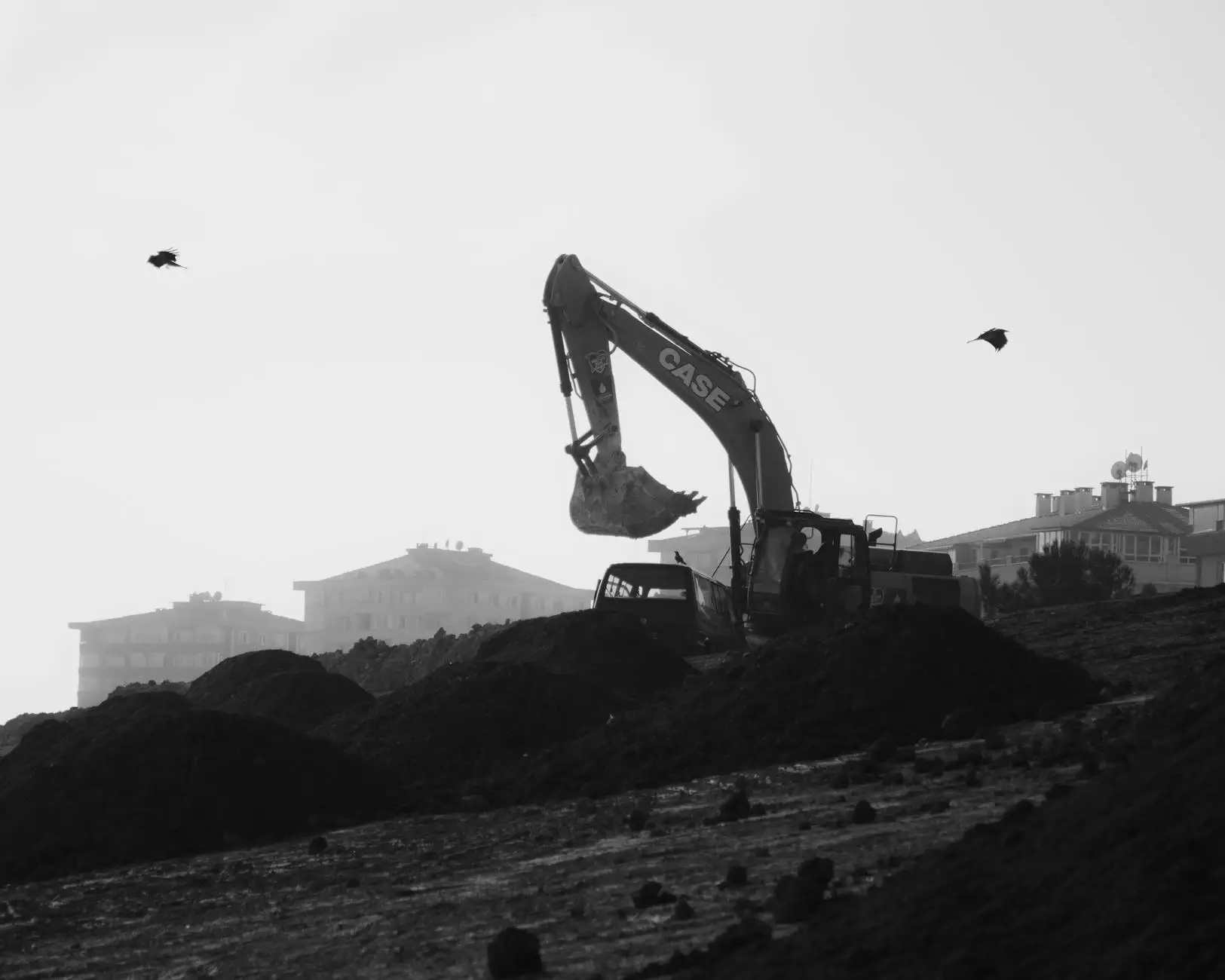
- Traditional Dig-and-Replace: This method involves excavating the area around the sewer line and replacing the damaged section. While effective, it's labor-intensive and may disrupt your yard.
- No-Dig Options: Techniques such as pipe lining or pipe bursting are less invasive and involve minimal digging. These methods can be more cost-effective and reduce disruption to landscaping.
Choosing Between Repair and Replacement
Sometimes, repair may not suffice, and a full sewer line replacement becomes necessary. Factors influencing this decision include:
- Age of Pipes: Older pipes are more prone to frequent issues and may simply need to be replaced.
- Type of Material: If the existing pipes are made of materials prone to deterioration (like clay or cast iron), replacement may be the best solution.
- Extent of Damage: In cases of severe damage, replacement may be more cost-effective than repeated repairs.
Costs of Sewer Line Repair and Replacement
The cost of sewer line repair and replacement varies significantly based on several factors:
- Location: Urban areas may have higher labor rates compared to rural places.
- Type of Repair: Simple repairs may range from $150 to $500, while full replacements can exceed $3,000.
- Depth of Sewer Line: Deeper lines require more labor, increasing overall costs.
- Material Used: The choice of material impacts the price, with PVC being typically less expensive than cast iron.
Benefits of Professional Sewer Line Services
Engaging a professional service for sewer line repair and replacement offers numerous benefits:
- Experience: Professionals have the knowledge and skills necessary to diagnose issues accurately.
- Advanced Equipment: Use of specialized tools allows for precise repairs and inspections.
- Time-Saving: Professionals are more efficient and can complete the job faster than an untrained individual.
- Guarantees: Many companies provide warranties for their work, giving you peace of mind.
How to Maintain Your Sewer Line
Preventing sewer line issues is key to saving costs in the long run. Here are some maintenance tips:
- Regular Inspections: Schedule routine inspections to catch potential problems early.
- Proper Disposal: Avoid flushing items that can cause clogs, including wipes, grease, and dental floss.
- Tree Maintenance: Keep trees well-trimmed and consider the location of new plantings.
- Use Enzyme Cleaners: Regularly use enzyme-based drain cleaners to maintain healthy pipes.
Conclusion
Understanding sewer line issues and knowing when to seek sewer line repair and replacement services is essential for any homeowner. With proper maintenance and timely intervention, you can prolong the life of your sewer system and avoid costly repairs. If you suspect problems with your sewer line, don’t hesitate to contact a qualified professional.
Contact Us
If you need expert help, reach out to White Plumbing Company at whiteplumbingcompany.com. Our experienced team is here to assist with any plumbing needs, including sewer line repair and replacement. Your satisfaction is our top priority!
sewer line repair replacement