Cargo Reservation System: Streamlining Air Cargo Operations
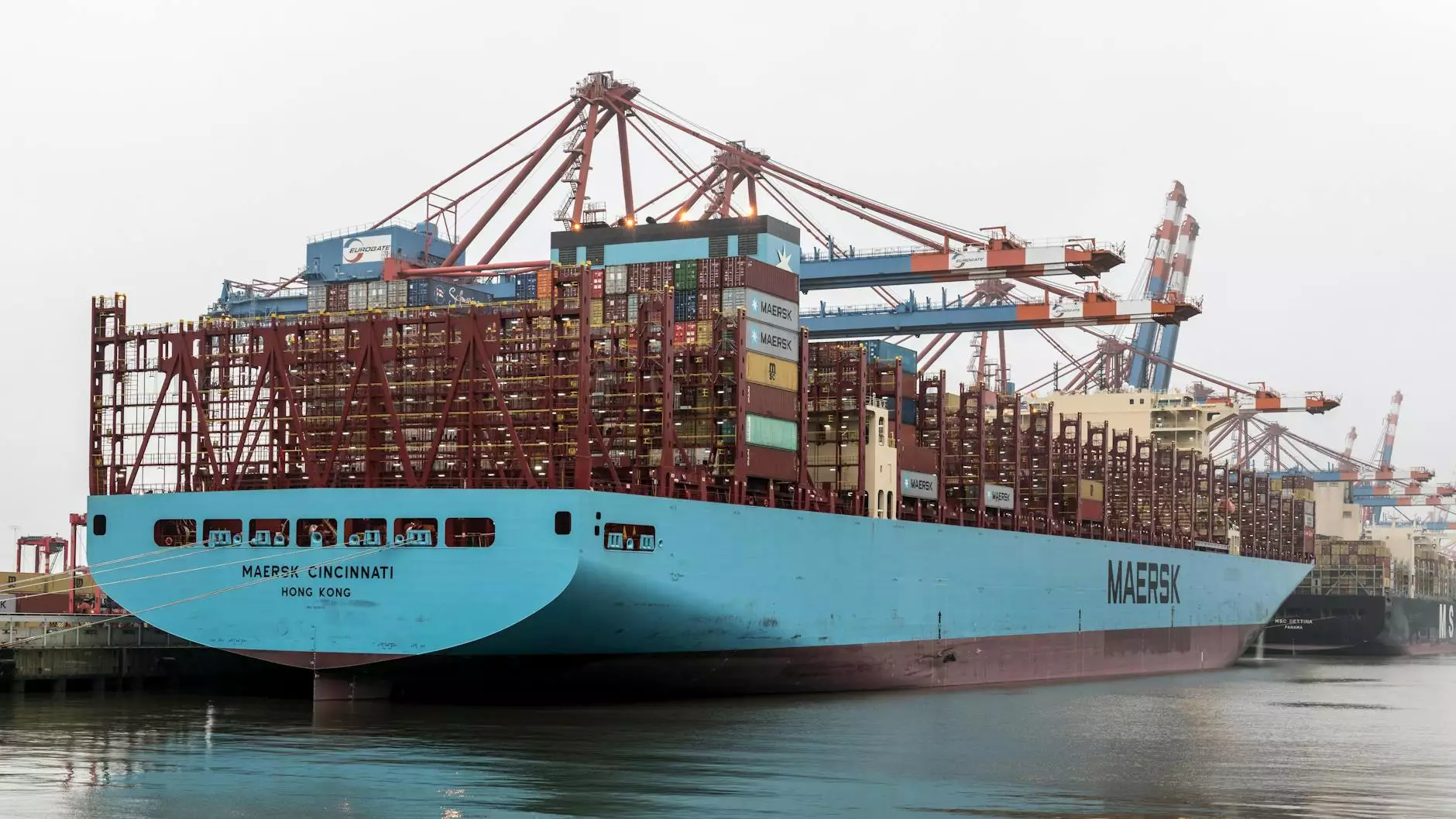
In the fast-paced world of air freight, efficiency and precision are pivotal. A robust cargo reservation system helps revolutionize air cargo operations, making them more streamlined and effective. Understanding the intricacies of such systems can provide significant advantages to airlines, airport terminals, and various aviation services. This article delves deep into numerous aspects of cargo reservation systems, highlighting their importance and effectiveness in today's globalized economy.
Understanding the Cargo Reservation System
A cargo reservation system is a sophisticated software solution designed to manage and streamline the booking, tracking, and management of air cargo shipments. This technology serves a crucial role in aiding airlines, freight forwarders, and shippers in organizing cargo logistics efficiently.
Key Features of Cargo Reservation Systems
- Real-Time Booking: Users can book shipments instantly and receive immediate confirmations.
- Automated Pricing: Instant access to current freight rates based on various factors such as destination, weight, and size.
- Comprehensive Tracking: Ability to monitor shipments throughout the transport process, enhancing visibility.
- Documentation Management: Simplifies creation and management of shipping documents, reducing errors and delays.
- Customer Relationship Management: Facilitates better communication with clients, fostering stronger relationships.
- Data Analytics: Offers insights into booking trends, operational efficiencies, and areas for improvement.
The Importance of a Cargo Reservation System in Air Cargo
In a highly competitive market, airlines and freight forwarders face immense pressure to optimize their operations. A cargo reservation system is integral in achieving this goal, offering several crucial benefits:
Improved Efficiency and Productivity
Automation of processes reduces manual errors and enhances the speed of operations. By offering features such as real-time booking and automated tracking, cargo reservation systems allow employees to focus on higher-value tasks, thereby boosting overall productivity.
Enhanced Customer Satisfaction
In today’s customer-centric marketplace, timely and accurate information is vital. A well-integrated cargo reservation system provides clients with up-to-date tracking information and simplified communication pathways, significantly improving customer satisfaction levels.
Cost Management
With advanced data analytics features, these systems help identify cost-saving opportunities. By optimizing routes and improving load management, airlines can operate more cost-effectively, passing on savings to their customers.
How Cargo Reservation Systems Benefit Airlines
Airlines utilize cargo reservation systems extensively for several reasons:
Maximizing Cargo Capacity
One of the primary roles of a cargo reservation system is to enhance capacity utilization. By analyzing historical data and trends, these systems assist airlines in forecasting demand, allowing them to optimize cargo space on flights and improve profitability.
Streamlined Operations
Operational efficiencies achieved through automation lead to reduced turnaround times at airports. Quick processing of bookings and documentation through a dedicated cargo reservation system allows airlines to serve their clients faster, boosting their competitive advantage.
Regulatory Compliance
Compliance with international shipping regulations is essential for airlines. A technical solution provides automated updates regarding regulatory changes and assists in maintaining necessary documentation, ensuring seamless operations across various jurisdictions.
Integrating Cargo Reservation Systems with Aviation Services
The integration of a cargo reservation system with various aviation services is vital for seamless operations. Here are key integration points:
Terminal Operations
Airport terminals benefit immensely from a centralized cargo reservation system, as it enables coordination among multiple stakeholders, including freight forwarders, ground handlers, and customs authorities. By ensuring that everyone has access to the same data, delays can be significantly reduced.
Logistics and Freight Forwarding
For freight forwarders and logistics companies, a unified platform for booking and managing cargo simplifies operations. It allows for better resource allocation and reduces the administrative burden, ultimately fostering stronger partnerships with airlines.
Technology and Innovation
As technology evolves, cargo reservation systems are also becoming more advanced. Adoption of new technologies such as artificial intelligence (AI) and machine learning can enhance predictive capabilities, leading to better decision-making processes.
Challenges in Implementing Cargo Reservation Systems
Despite the benefits, certain challenges come with implementing a cargo reservation system:
- Initial Costs: The upfront investment required for implementation can be significant, potentially deterring smaller operators.
- Training Needs: Employees may require extensive training to fully leverage new systems, which can be time-consuming.
- Integration Complexity: Merging new software with existing legacy systems can pose substantial technical challenges.
Future Trends in Cargo Reservation Systems
The future of cargo reservation systems looks promising, with increasing adoption of emerging technologies. Some notable trends include:
Increased Automation
Advancements in automation technologies are likely to further simplify operational processes. This trend will enhance speed and efficiency, allowing airlines to keep pace with ever-increasing consumer demand.
Data-Driven Decision Making
With the power of big data, cargo reservation systems will offer even greater analytics capabilities, enabling airlines to make smarter, more strategic decisions about their operations and market positioning.
Sustainability Initiatives
As sustainability becomes a more pressing issue within the aviation industry, cargo reservation systems will play a role in optimizing routes for better fuel efficiency and minimizing environmental impact.
Conclusion
In conclusion, a cargo reservation system is not merely a tool; it is a necessity for modern airlines and freight operators striving to remain competitive in today's rapidly evolving landscape. From enhancing operational efficiencies to improving customer satisfaction, its importance cannot be overstated. As technology continues to advance, the role of these systems will likely expand, and companies that embrace this evolution will surely excel in the aviation industry.
For airlines, airport terminals, and aviation service providers looking to enhance their operational capabilities, investing in a reliable and comprehensive cargo reservation system is a strategic move towards future success.