Understanding Air Freight Costs Per Kg: A Comprehensive Guide
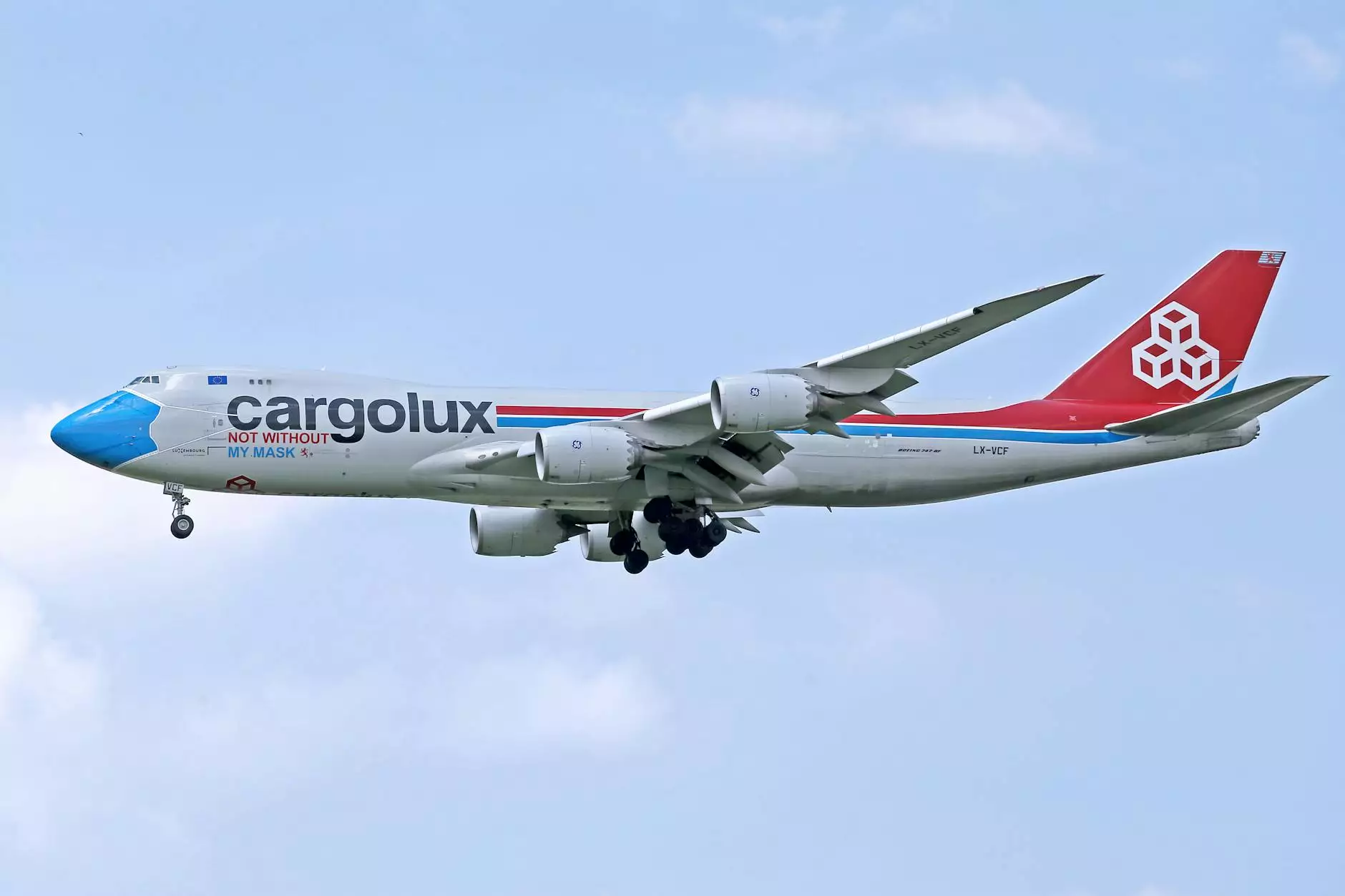
The world of international shipping is complex and ever-changing. Among the most crucial aspects of air transport is the understanding of air freight costs per kg. This guide will delve deep into the intricacies involved, ensuring that you’re equipped with the knowledge to navigate air freight effectively.
What Influences Air Freight Costs per Kg?
The cost of air freight can vary dramatically based on numerous factors. Here, we examine some of the key elements that determine pricing:
- Distance: The greater the distance between the origin and destination, the higher the shipping costs. This distance influences fuel charges, landing fees, and handling fees.
- Weight and Volume: Freight costs are primarily based on either the actual weight or the dimensional weight (volumetric weight) of the shipment, whichever is greater. This is crucial when calculating air freight costs per kg.
- Type of Cargo: Different goods require different handling and shipping considerations. Hazardous materials, perishables, and oversized items may incur additional fees.
- Shipping Speed: If you need your goods delivered quickly, express services will significantly increase the overall cost compared to standard service.
- Fuel Prices: Fluctuating fuel costs directly impact air freight pricing since they are a major component of operational expenses.
- Airport Charges: Different airports have varying costs associated with landing, take-off, and handling cargo, influencing overall air freight rates.
Breakdown of Air Freight Costs
Understanding how air freight costs are structured can save businesses significantly when planning shipments. Here’s a detailed breakdown:
1. Basic Freight Rate
This core cost is determined by the weight and dimensions of your cargo. Generally, it’s calculated as follows:
- Actual Weight: The physical weight of the shipment.
- Volumetric Weight: A calculation based on the dimensions of the cargo, which can sometimes be higher than the actual weight.
The formula for calculating volumetric weight is:
Volumetric Weight (kg) = (Length x Width x Height in cm) / 50002. Fuel Surcharge
An additional percentage of the basic freight rate that fluctuates with global oil prices. It's essential to be aware of this when calculating total air freight costs.
3. Security Fees
These fees are imposed for ensuring the safety of cargo and can also vary based on destination and regulations.
4. Handling Fees
Charged for the physical handling of the cargo, including loading and unloading at airports.
5. Customs Duties and Taxes
Depending on the country of origin and destination, customs duties might apply, which can significantly affect total shipping costs.
The Importance of Choosing the Right Freight Forwarder
Collaborating with an experienced freight forwarder can dramatically influence your shipping success. Here’s why:
- Expertise: They have insider knowledge of the industry, enabling them to navigate potential obstacles effectively.
- Cost Optimization: With their vast network and negotiation power, they can often secure better rates than standard shippers.
- Customizable Solutions: A good freight forwarder will offer tailored solutions based on your specific needs, ensuring that you only pay for what you need.
Strategies to Lower Air Freight Costs
Reducing air freight costs per kg is a priority for any business aiming to maintain profitability. Here are several tactics to consider:
1. Consolidate Shipments
Group multiple shipments together to take advantage of bulk pricing. This can significantly reduce the cost per kg.
2. Negotiate Contract Rates
If your shipment volume is high enough, consider negotiating contract rates with carriers. Establishing relationships can lead to better rates.
3. Optimize Packaging
Reducing the size and weight of your packages can minimize both actual and volumetric weight, leading to lower shipping costs.
4. Choose the Right Time to Ship
Shipping during off-peak times may result in lower costs as demand decreases.
5. Use Technology Wisely
Utilize freight management software to track and compare rates, find the best routes, and keep abreast of market trends.
Current Trends in Air Freight Pricing
Staying informed of the latest trends can help your business adapt effectively. Here are some recent developments affecting air freight costs per kg:
- COVID-19 Impact: The pandemic has changed air freight dynamics, with demand fluctuating and many companies reevaluating their logistics strategies.
- Increased Demand for E-commerce: As online shopping surges, logistics companies are adjusting pricing and capacity to cope with increased shipments.
- Environmental Regulations: As sustainability becomes paramount, companies are investing in greener technologies, impacting operating costs and shipping fees.
How to Calculate Your Air Freight Costs
To help you estimate your air freight costs per kg, follow these steps:
- Determine your cargo dimensions and weight.
- Calculate the volumetric weight using the formula discussed earlier.
- Consult air freight rate sheets from potential carriers to identify the basic freight rates.
- Add applicable surcharges, fees, and customs duties.
- Evaluate your total to understand your expected costs.
Using Cargobooking.aero for Your Air Freight Needs
As you navigate the complexities of air freight, cargobooking.aero stands as a vital partner in your shipping logistics. We specialize in helping businesses optimize their air freight shipping strategies, ensuring cost-effectiveness and reliability.
Our Services Include:
- Rate Comparisons: Easily compare rates from multiple carriers.
- Speedy Booking: Streamlined booking processes for quick and efficient shipping solutions.
- Expert Support: Our knowledgeable team is here to assist you in every step of the air freight process.
Conclusion
Understanding air freight costs per kg is fundamental for optimizing your shipping expenses. By grasping the factors that influence these costs and employing effective strategies, businesses can enhance their logistics efficiency. Collaborating with proficient partners like cargobooking.aero will ensure that your shipping needs are met with excellence. Stay informed, plan wisely, and watch your business thrive in the competitive landscape of international transport!