The Comprehensive Guide to the Hysteroscopy Procedure
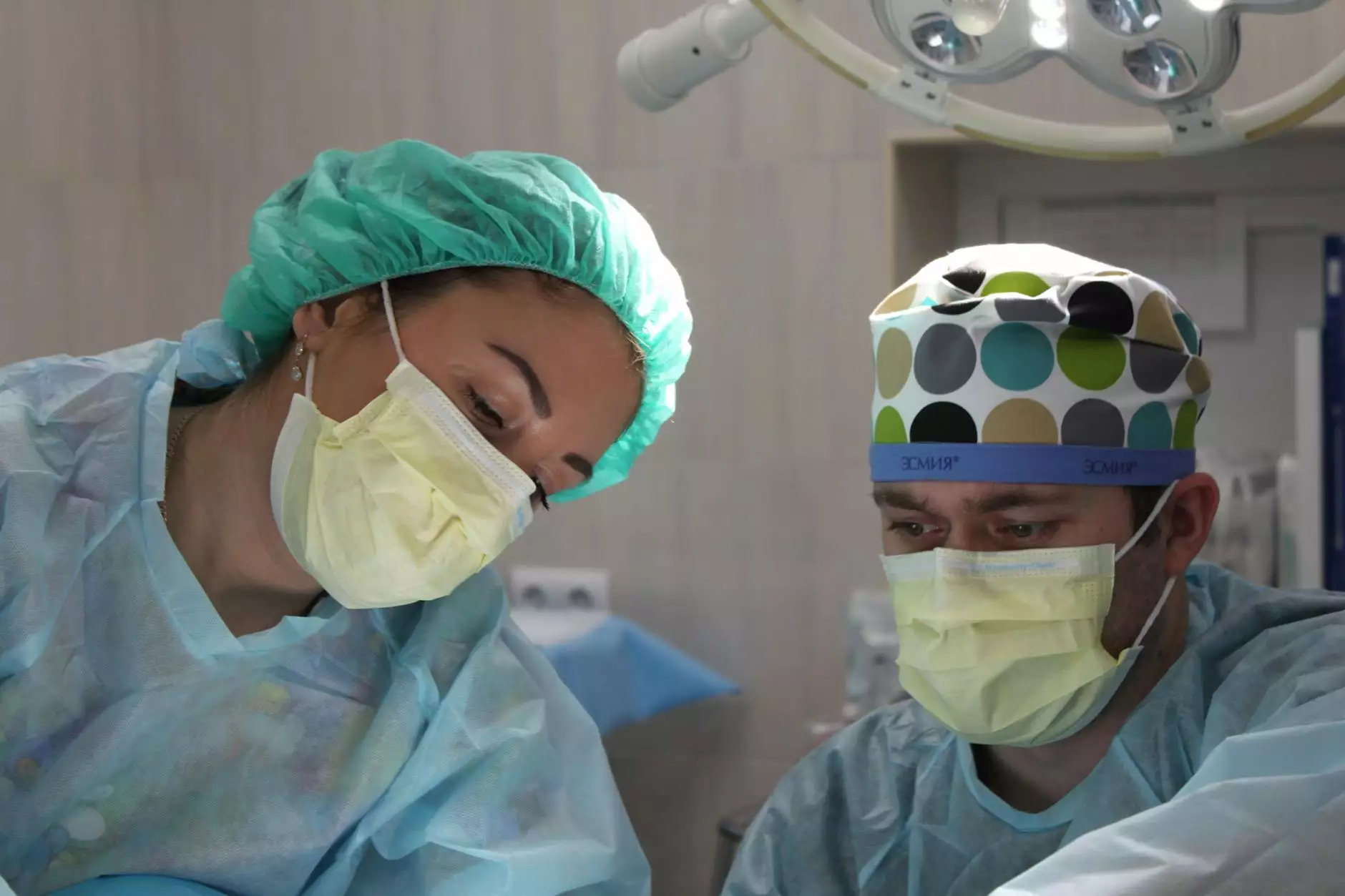
The hysteroscopy procedure is a vital diagnostic and therapeutic tool in modern gynecology that provides unique insights into various health conditions affecting the female reproductive system. This minimally invasive procedure not only allows for the examination of the uterine cavity but also enables the treatment of numerous gynecological issues.
Understanding Hysteroscopy
Hysteroscopy involves the use of a hysteroscope—a thin, lighted tube—that is inserted into the uterus through the vagina and cervix. This procedure is often recommended for women experiencing abnormal uterine bleeding, infertility, or recurrent miscarriages, and it can be performed in a clinical setting with appropriate anesthesia.
Types of Hysteroscopy Procedures
- Diagnostic Hysteroscopy: This type is primarily used to investigate symptoms or conditions such as abnormal bleeding or pain. It allows doctors to visualize the inside of the uterus and diagnose issues like fibroids, polyps, or uterine anomalies.
- Operative Hysteroscopy: This procedure is performed when treatment is necessary. It can involve the removal of polyps, fibroids, or even the resection of the uterine lining in cases of hyperplasia.
Indications for Hysteroscopy
Several conditions warrant the use of a hysteroscopy procedure. Some of the most common reasons include:
- Abnormal uterine bleeding that does not respond to medical treatment.
- Fibroids or polyps that cause pain or bleeding.
- Results from imaging tests suggesting abnormalities in the uterus.
- Infertility evaluations, notably to identify uterine abnormalities that could affect pregnancy.
- Evaluation of intrauterine devices (IUDs) that may have shifted or caused complications.
The Hysteroscopy Procedure: What to Expect
Before the Procedure
Prior to undergoing a hysteroscopy procedure, patients will typically undergo a thorough examination. This can include:
- A detailed medical history.
- A physical exam, including a pelvic examination.
- Imaging tests like ultrasounds, hysterosalpingography (HSG), or MRI scans.
The physician will explain the procedure, potential risks, and post-operative care, ensuring that all questions are answered and concerns alleviated.
During the Procedure
On the day of the procedure, the patient may receive medications for pain relief or sedation. The procedure usually lasts between 20 to 60 minutes. Here’s a brief outline of the steps involved:
- The patient lies on an exam table, similar to a pelvic examination.
- The doctor inserts the hysteroscope through the vagina into the cervix and uterus.
- A sterile fluid is introduced to expand the uterus, improving visibility.
- The surgeon examines the uterine lining and potential abnormalities.
After the Procedure
Post-procedure care is crucial for recovery. Patients may experience mild cramping or light bleeding, which is normal. It's recommended to avoid strenuous activities and sexual intercourse for a short period following the procedure.
Benefits of Hysteroscopy
The hysteroscopy procedure offers numerous benefits, including:
- Minimally Invasive: This procedure is performed without large incisions, which leads to reduced recovery time.
- Diagnostic Accuracy: Allows for direct visualization of the uterus, providing clear and immediate answers to health concerns.
- Therapeutic Options: Many conditions can be treated during the same visit, eliminating the need for additional surgeries.
- Improved Fertility: By addressing structural abnormalities, hysteroscopy can enhance a patient's chances of conceiving.
Risks and Considerations
While hysteroscopy is generally safe, as with any medical procedure, there are some potential risks that patients should discuss with their doctor, such as:
- Infection: Although rare, there is a risk of infection in the uterus or surrounding areas.
- Uterine perforation: In very rare cases, the hysteroscope may accidentally puncture the uterine wall.
- Bleeding: Patients may experience heavier-than-normal bleeding following the procedure, which should be monitored.
Choosing the Right Gynecologist
When considering a hysteroscopy procedure, it is essential to choose a qualified and experienced gynecologist. Factors to consider include:
- Board certification and specialization in minimally invasive gynecologic surgeries.
- Hospital privileges and experience with hysteroscopy.
- Patient reviews and testimonials regarding previous surgical outcomes.
Conclusion
The hysteroscopy procedure is a powerful tool in the gynecological field that significantly enhances the understanding and treatment of various uterine conditions. By providing a clear view of the uterine cavity, it assists in ensuring the reproductive health of women and addresses issues that may affect their wellbeing.
For further information on hysteroscopy and how it can help, visit drseckin.com and consult with healthcare professionals who specialize in women's reproductive health.
© 2023 Dr. Seckin. All rights reserved.