Understanding Hysteroscopy: A Key to Women's Health
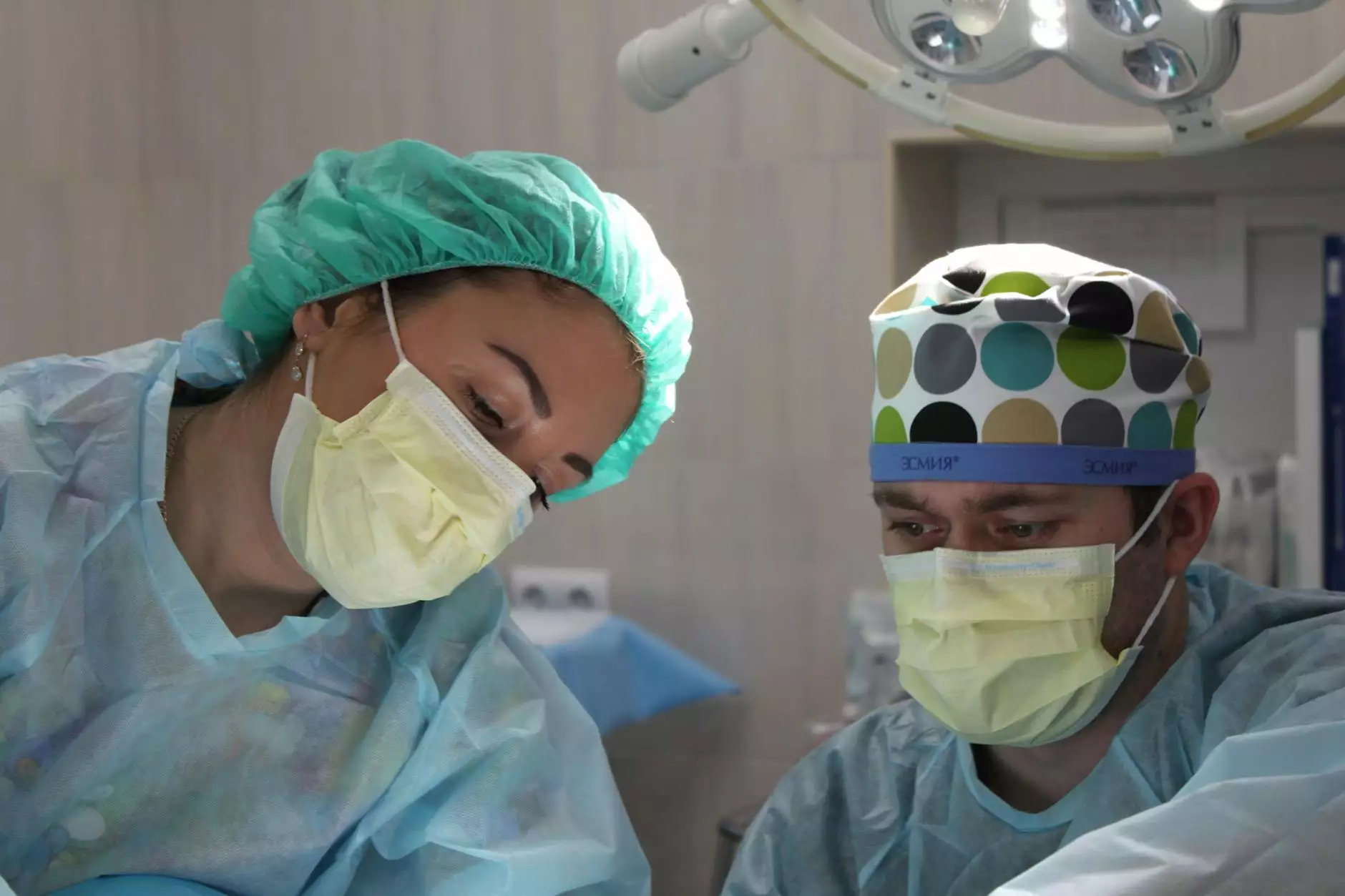
A hysteroscopy is an essential diagnostic and therapeutic procedure in the field of obstetrics and gynecology. This minimally invasive technique allows doctors to examine a woman's uterus, identify abnormalities, and offer treatments directly within the uterine cavity. With advancements in medical technology, hysteroscopies have become a cornerstone for diagnosing various uterine conditions effectively.
What is Hysteroscopy?
A hysteroscopy is a procedure that employs a thin, lighted tube called a hysteroscope, which is inserted through the vagina and cervix into the uterus. This provides direct visualization of the uterine lining, allowing for a thorough examination.
Types of Hysteroscopy
There are two main types of hysteroscopy:
- Diagnostic Hysteroscopy: This involves using the hysteroscope to inspect the uterus for abnormalities without any surgical intervention.
- Operative Hysteroscopy: This type not only allows for diagnosis but also enables the physician to perform surgical procedures such as the removal of fibroids, polyps, or adhesions that may be identified during the examination.
Benefits of Hysteroscopy
The benefits of a hysteroscopy are numerous and make it a preferred choice for many gynecological issues. Some of the key advantages include:
- Minimally Invasive: Unlike traditional surgical methods, hysteroscopy often requires no incisions, resulting in less pain and a reduced recovery time.
- Immediate Results: Many conditions can be diagnosed and treated during the same procedure.
- Reduced Risk of Complications: Hysteroscopy is associated with fewer complications than open surgery.
- Outpatient Procedure: Most hysteroscopic procedures can be performed in an outpatient setting, allowing patients to return home the same day.
Conditions Treated with Hysteroscopy
A hysteroscopy can address a variety of gynecological issues, including:
- Uterine Polyps: These are noncancerous growths on the inner wall of the uterus.
- Uterine Fibroids: Benign tumors that grow in and around the uterus.
- Uterine Septum: A congenital condition where a wall divides the uterine cavity.
- Endometrial Hyperplasia: Thickening of the uterine lining, which can cause heavy periods.
- Intramural Fibroids: Fibroids that grow within the muscular wall of the uterus.
- Persistent Abnormal Uterine Bleeding: Hysteroscopy can help identify the cause of abnormal bleeding.
The Hysteroscopy Procedure
Understanding the procedure itself is crucial for those considering a hysteroscopy. Here is what to expect:
Before the Procedure
Prior to undergoing a hysteroscopy, patients are usually advised to:
- Schedule a Consultation: Discuss symptoms and medical history with the doctor.
- Avoid Certain Medications: Anti-inflammatories or blood thinners may need to be paused as recommended.
- Follow Pre-Procedure Instructions: Some doctors may suggest fasting for a few hours before the procedure.
During the Hysteroscopy
On the day of the procedure:
- The patient will usually be positioned in a way similar to a gynecological exam.
- A local anesthetic may be administered, or in some cases, general anesthesia may be used.
- The hysteroscope will be inserted through the vagina and cervix into the uterus.
- Saline or another fluid may be injected to distend the uterus for better visualization.
- The physician will then examine the uterine lining and identify any problems.
- If it’s an operative hysteroscopy, necessary instruments can be inserted through the hysteroscope to treat the identified issues on the spot.
After the Procedure
Post-procedure care is essential for recovery. Patients may experience:
Mild Cramping: Similar to menstrual cramps is common and can be managed with over-the-counter pain relief.
Light Bleeding: This is typical and should gradually subside within a few days.
Recovery and Follow-Up
After a hysteroscopy, follow-up appointments are crucial for evaluating the outcomes. Patients should:
- Monitor for any signs of complications, such as heavy bleeding or severe pain.
- Schedule a follow-up appointment to discuss the findings and any necessary further treatments.
Potential Risks and Complications
While hysteroscopy is generally safe, like any medical procedure, it carries some potential risks, including:
- Infection: As with any invasive procedure, there is a risk of infection.
- Perforation: There is a slight risk of the uterus being perforated by the hysteroscope.
- Bleeding: Patients may experience heavier bleeding than expected.
- Anesthesia Risks: Reactions to anesthesia are possible, requiring monitoring.
Conclusion: The Importance of Hysteroscopy in Women's Health
A hysteroscopy is a significant advancement in diagnosing and treating uterine conditions, directly impacting women's health and quality of life. By providing clear insights into the uterine cavity and facilitating direct intervention, hysteroscopy has emerged as a vital procedure for addressing various gynecological issues.
As a patient, staying informed and understanding what to expect from a hysteroscopy can significantly ease any anxiety associated with the process. Consulting with a qualified and experienced gynecologist, such as those found at drseckin.com, can provide further personalized information and reassurance, ensuring that you make an informed decision regarding your health.
For women facing uterine issues, hysteroscopy is not just a diagnostic tool; it is a pathway to better health and wellbeing.