Understanding Air Freight Costs: The Essential Guide to Air Freight per kg
In the globalized economy, businesses are increasingly relying on fast and efficient shipping methods to stay competitive. Among these methods, air freight stands out as one of the quickest ways to transport goods across vast distances. But how does one truly understand the cost structure of air freight? Specifically, this article will delve deep into the concept of air freight per kg, providing vital insights for businesses whether they are shipping small parcels or mass cargo.
The Basics of Air Freight
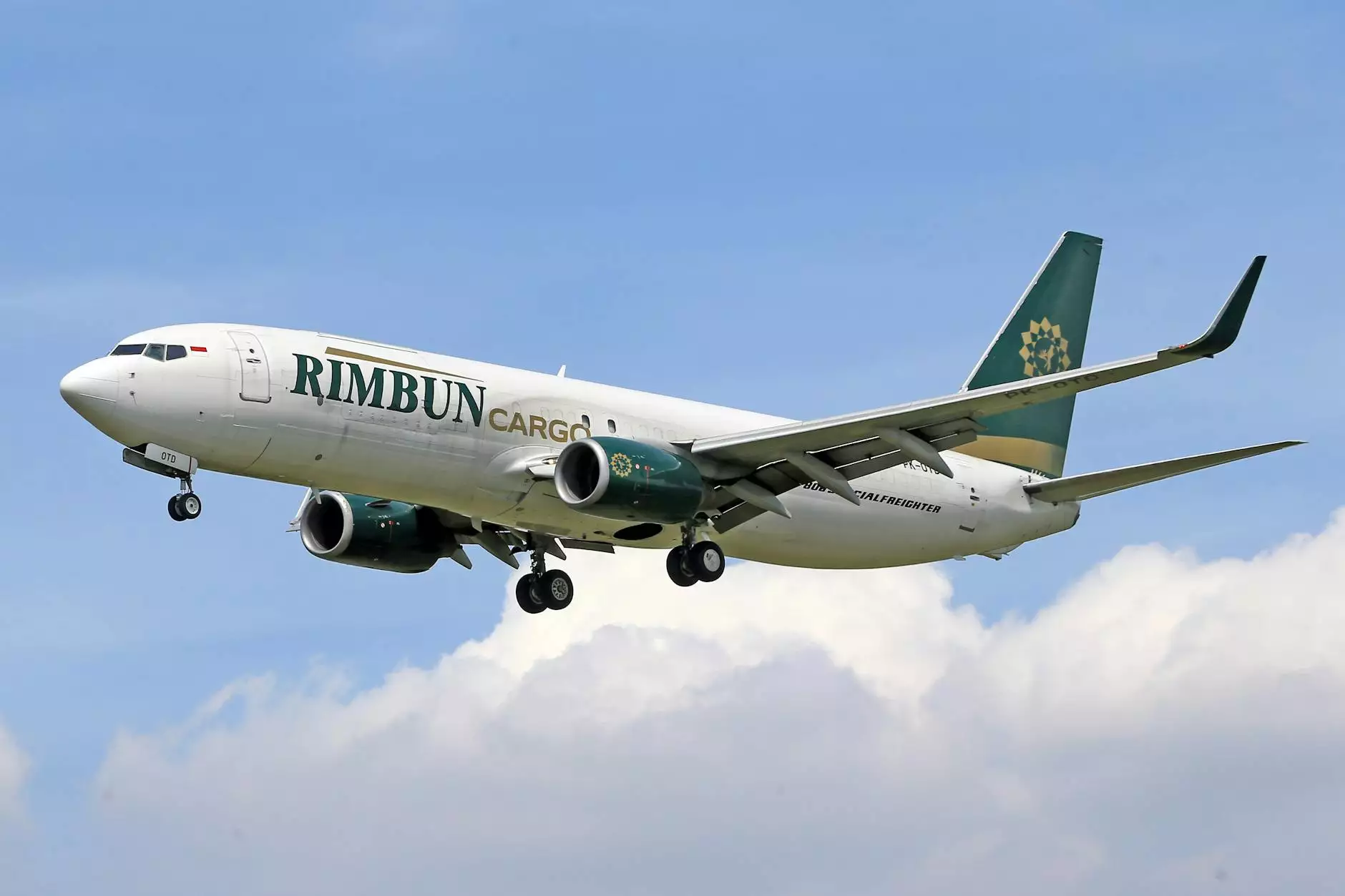
Air freight involves transporting goods via air carriers, and it utilizes a variety of flying vehicles, from cargo planes to commercial jets that have been adapted for transporting freight. This mode of shipping offers unparalleled speed, which is critical for businesses that operate in fast-paced industries such as technology, fashion, and pharmaceuticals.
Why Choose Air Freight?
- Speed: Goods can be delivered within hours or days rather than weeks.
- Reliability: Flights have fixed schedules, leading to predictable timelines.
- Global Reach: Almost every major city across the world is connected by some air routes.
Understanding Air Freight Costs
When considering air freight for your shipments, it's crucial to understand the various factors that influence the cost. Essentially, air freight costs can be categorized into several components, with the most significant one being the cost per kilogram (kg) of the shipment. Let's break down the cost structure:
Factors Influencing Air Freight per kg
- Weight: The primary factor in determining air freight cost is the total weight of the shipment. Generally, the higher the weight, the lower the cost per kg due to economies of scale.
- Volumetric Weight: This considers the space a package occupies rather than its actual weight. For large but light items, volumetric calculations may yield a higher charge.
- Distance: The distance between the departure and destination points affects pricing significantly; longer routes generally incur higher fees.
- Service Level: Different types of services (express vs. standard shipping) come at varying costs, with express services being more costly.
- Fuel Prices: Fluctuating fuel prices can impact the overall costs associated with air freight and subsequently the charge per kg.
- Destination Charges: Fees associated with customs clearance and handling at airports can also add to your overall costs.
Calculating Air Freight Costs
To accurately determine the overall cost, including the air freight per kg, businesses should follow a straightforward calculation method:
- Calculate the actual weight of the shipment in kg.
- Calculate the dimensional weight (Length x Width x Height) / 5000 for international shipments (this factor may vary based on the airline).
- Use the greater of the two weights to calculate your shipping cost (actual vs. dimensional).
- Multiply the resulting weight by the rate per kg quoted by your air freight provider.
Choosing the Right Air Freight Forwarder
After gaining a clear understanding of air freight costs, the next step is to find a reliable air freight forwarder. Here are some essential tips:
Key Considerations
- Experience: Choose a provider with a solid track record in the industry.
- Network: The freight forwarder's access to various airlines can enhance efficiency and reduce costs.
- Customs Expertise: An air freight forwarder should have expertise in customs clearance to smoothen the shipping process.
- Customer Service: Good communication is vital, especially in tracking shipments and resolving issues quickly.
Air Freight vs. Sea Freight
While air freight offers remarkable speed, it's also essential to consider the cost versus sea freight or other shipping methods. Here's a comparative breakdown:
FactorAir FreightSea FreightSpeedFast (days)Slow (weeks)CostHigher (calculated per kg)Lower (bulk shipping)AccessibilityGlobalLimited by port availabilityBest ForUrgent shipmentsBulk, non-urgent shipmentsStrategizing Your Air Freight Shipments
When planning your air freight shipments, a strategic approach can lead to significant savings and efficiency. Here are several best practices:
Consolidated Shipments
Consider consolidating smaller shipments into one larger shipment. This can reduce the overall air freight per kg cost, as airlines often have lower rates for bulk shipments.
Route Optimization
Work with your freight forwarder to identify the most cost-effective routes. Sometimes indirect routes can result in reduced fees and faster service.
Negotiate Rates
Always negotiate rates with your air freight provider. Build a relationship over time to gain better deals, especially as your shipping volumes increase.
Conclusion
Understanding the intricacies of air freight per kg is essential for businesses aiming to optimize their shipping strategies. With the right knowledge, you can make informed decisions, leading to faster deliveries and better bottom lines. By diligently analyzing costs and working with a knowledgeable air freight forwarder, enterprises can leverage the benefits of air shipping, transforming logistics from a challenge into a competitive advantage.
For those looking to understand or engage in air freight services, Cargobooking.aero provides a wealth of resources and services tailored to meet your needs. Join the numerous businesses that trust a knowledgeable partner in logistics to elevate their shipping solutions.