Exploring the Intersection of Food & Science: The Role of Scientific Tools in Restaurants and Bars
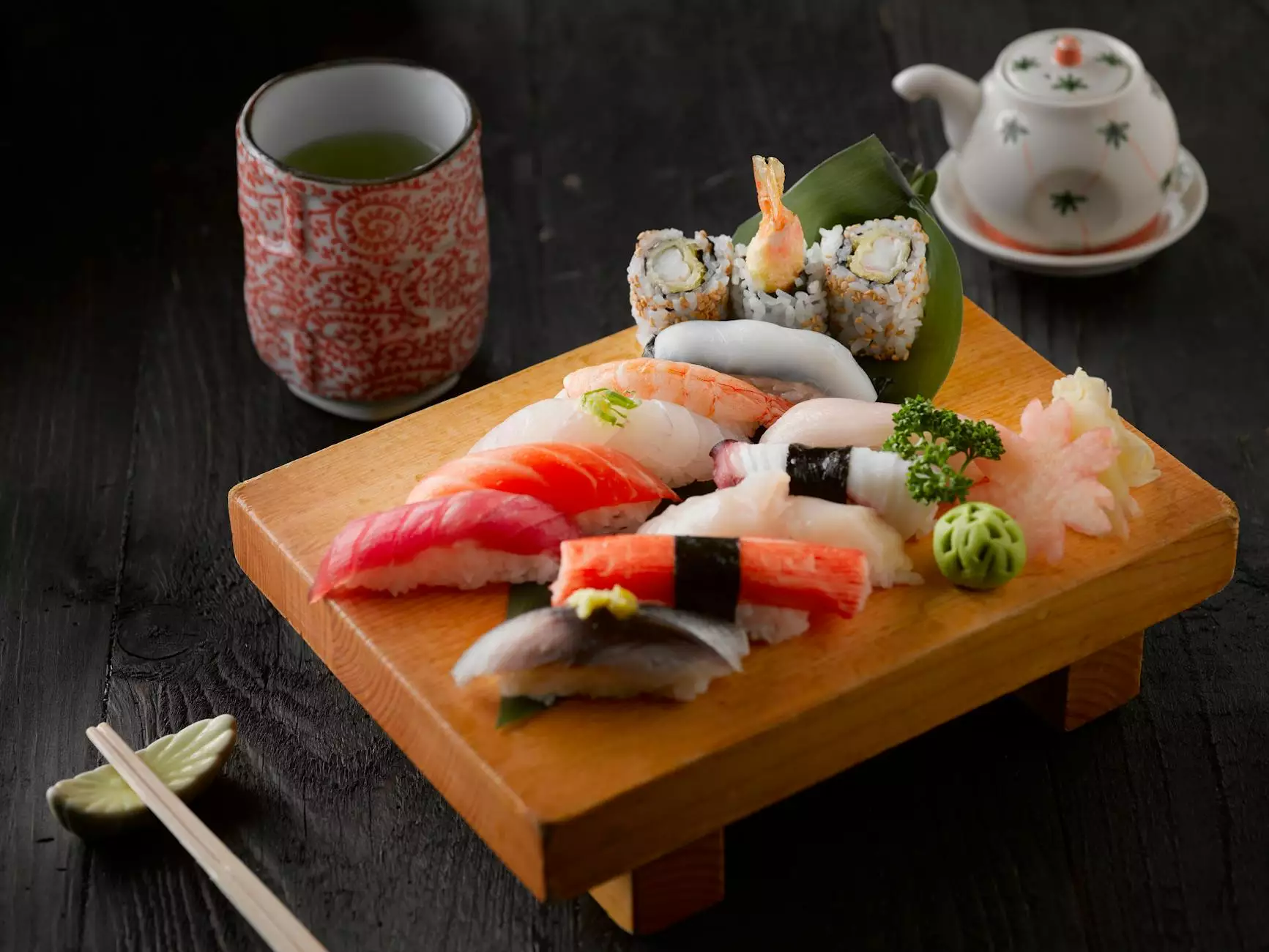
The culinary landscape is undergoing a remarkable transformation as scientific tools become an integral part of the restaurant and bar industry. The amalgamation of science and culinary arts has led to innovative techniques that enhance food quality, safety, and overall dining experiences. In this comprehensive article, we delve deep into how these scientific tools are reshaping the food industry, their applications, and the significant benefits they bring to both chefs and patrons.
The Amplification of Culinary Science
In today's fast-paced world, chefs are not just cooks, but scientists who harness the power of science to enhance their culinary creations. This a shift away from traditional techniques towards a more methodical and precise approach to cooking. In this section, we will explore the different scientific tools that are making waves in the restaurant and bar scenes.
1. Sous Vide: Precision Cooking
One of the most popular scientific tools in modern kitchens is the sous vide machine. This method involves vacuum-sealing food in a bag and cooking it to a very precise temperature in a water bath. This technique ensures that food is cooked evenly and retains its juices, resulting in exceptional flavor profiles. Chefs are able to achieve perfectly cooked steaks, eggs, and even vegetables while maximizing taste and texture.
Benefits of Sous Vide
- Enhanced Flavor: Cooking proteins at low temperatures for extended periods intensifies their natural flavors.
- Improved Texture: Sous vide minimizes the risk of overcooking, ensuring the perfect texture.
- Healthier Cooking: This method often requires less oil and maintains nutrients better than traditional methods.
2. Molecular Gastronomy: The Science of Flavor
Molecular gastronomy is an innovative approach that combines cooking with scientific principles to create unique dining experiences. This might involve the use of tools like siphons, liquid nitrogen, or gelification agents to transform ingredients in unexpected ways. For instance, chefs can create edible foams or spherified liquids that enhance the taste and presentation of dishes.
Applications of Molecular Gastronomy
- Textural Innovations: Altering the texture of food can transform how it is perceived by diners, making the eating experience more interactive and fun.
- Flavor Pairing: Understanding the molecular composition of ingredients allows chefs to pair flavors more effectively.
- Aesthetic Appeal: Innovative presentations capture diners' attention, enhancing their overall experience.
3. Temperature Control: Making Science Work for You
Temperature control is crucial in restaurants, particularly in busy environments. Scientific tools like instant-read thermometers and digital scales ensure that every dish is prepared to perfection. By utilizing these tools, chefs can guarantee that meat is served at the right doneness and that baked goods achieve the proper consistency.
Significance of Temperature Control
- Consistent Results: Precise temperature measurement guarantees that dishes are consistently executed.
- Food Safety: Monitoring temperatures minimizes the risk of foodborne illnesses.
- Innovation Potential: Temperature control allows chefs to experiment with new cooking methods.
Scientific Tools in Beverage Creation
The bar scene is no exception to the influence of scientific tools. Mixology has evolved into a sophisticated art form that often incorporates a variety of scientific techniques to create delectable and eye-catching cocktails.
1. Foam Infusion: Elevating Cocktail Presentation
Foam infusion is a technique commonly used by modern mixologists to create visually stunning and flavorful cocktails. For instance, using a siphon can produce flavored foams that sit atop drinks, adding a new dimension to the cocktail experience. These foams can be crafted from a myriad of flavors, from fresh herbs to exotic spices, giving cocktails a unique twist.
Advantages of Foam Infusion
- Enhanced Flavor: By incorporating foams, bartenders can add complex flavors without altering the drink's base.
- Visual Appeal: Foams provide an attractive finish to cocktails, enticing customers.
- Interactivity: Diners can enjoy the scent and flavor experience of foams with every sip.
2. Carbonation Techniques: Crafting the Perfect Drink
Maintaining the right level of carbonation is vital for beverages, whether you are crafting beer, soda, or an innovative cocktail. Tools like soda siphons or carbonation systems allow bartenders to control the level of fizz in their drinks, ensuring that every beverage bursts with the right amount of effervescence.
Importance of Carbonation
- Flavor Enhancement: Proper carbonation can enhance the perceived acidity and flavors within a beverage.
- Mouthfeel: The right level of carbonation contributes to the overall mouthfeel and texture of the drink.
- Customization: Bartenders can cater to individual preferences by adjusting carbonation levels.
Emphasizing Consistency and Quality
In the bustling world of restaurants and bars, consistency is key to success. Customers return for meals and drinks that meet their expectations time and time again. This is where scientific tools play a paramount role. By ensuring that all ingredients are measured correctly and cooked or mixed under controlled conditions, chefs and bartenders can consistently deliver high-quality dishes and drinks.
1. Standardization of Recipes
The use of scientific measurement tools allows chefs and bartenders to standardize recipes effectively. This ensures every dish or drink meets the same criteria and retains the expected flavor profile, regardless of who is preparing it. By implementing precise techniques, establishments can elevate their culinary creativity while maintaining quality.
2. Training and Skill Development
Incorporating scientific tools into training programs for culinary professionals can bolster skill development. New chefs and bartenders can learn about the science behind cooking and mixing, which empowers them to experiment and innovate confidently. Knowledge of the tools and techniques also fosters professional growth, enhancing their ability to deliver extraordinary culinary experiences.
Conclusion: The Future of Culinary Science
The intersection of food and science is more than just a trend; it is an evolving landscape that promises to deliver incredible opportunities for chefs and restaurateurs. As technology advances and new scientific tools emerge, dining experiences will continue to innovate and surprise consumers. The synergy between scientific tools and culinary creativity will likely influence everything from menu design to the way food is sourced, prepared, and enjoyed. As the world becomes more interested in the science behind their food, the question remains: What will the future hold for our culinary experiences?
For anyone involved in the restaurant and bar industry, the integration of scientific tools is a game changer. Embracing this change not only enhances the quality of food and beverages but also creates an unforgettable experience for diners. Let us celebrate the magnificent journey of science and culinary arts, and move towards a future where creativity meets precision, leading to extraordinary dining experiences.
pictures of scientific tools