Exploring the Best Apps in the World: A Business Perspective
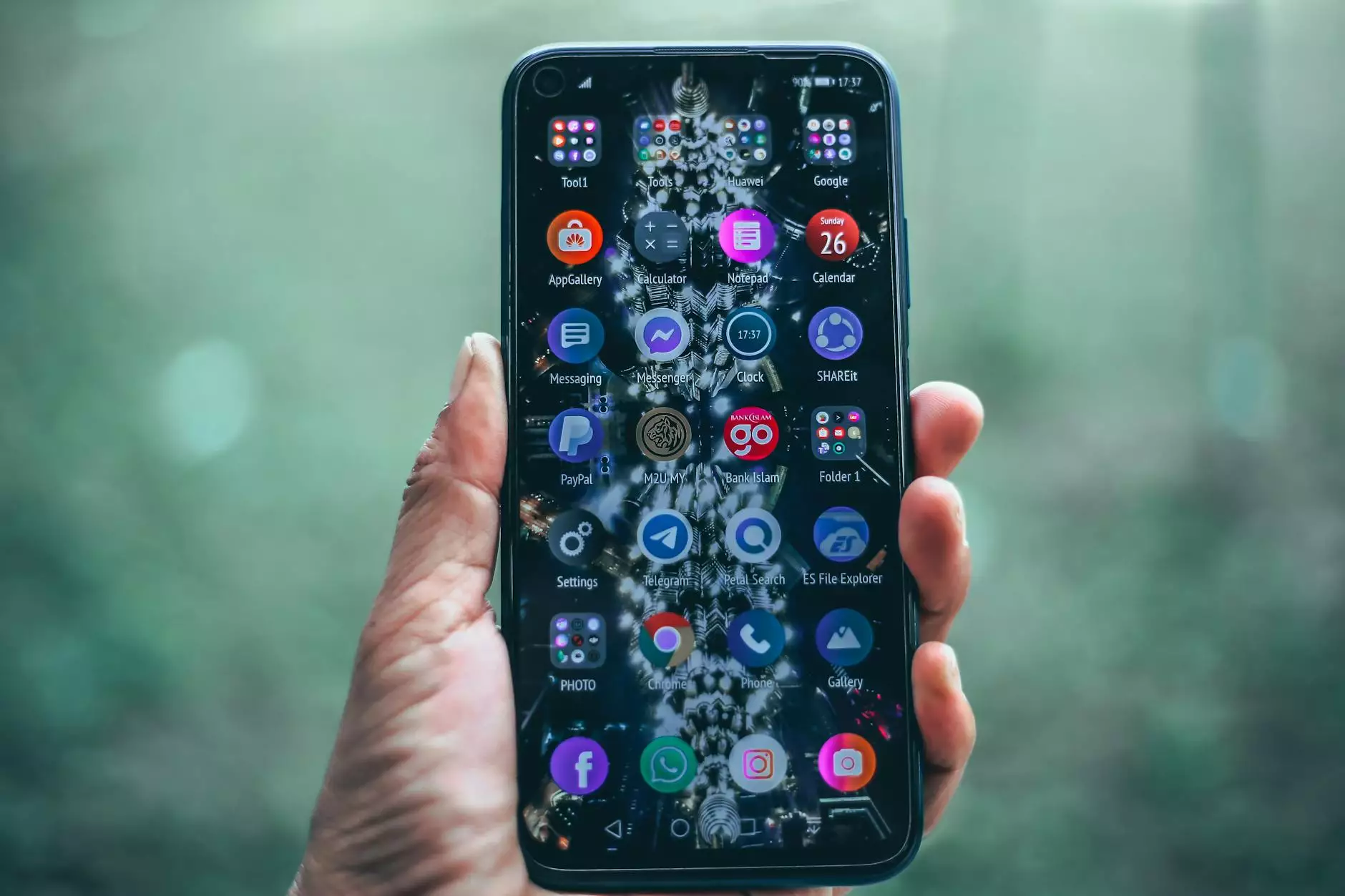
As we navigate through a technology-driven era, the significance of apps in our daily lives cannot be overstated. Businesses are leveraging the best apps in the world to enhance productivity, streamline operations, and improve customer engagement. This article delves into how various applications have transformed different sectors, including mobile phones and software development, spotlighting their essential features and benefits.
The Rise of Mobile Applications
Mobile applications have revolutionized the way we interact with technology. According to recent statistics, the number of mobile app downloads is expected to reach over 258 billion by 2022. This rise in mobile usage signifies not just a trend, but a complete transformation in how businesses approach their operations.
Key Features of Top Mobile Apps
- User-Centric Design: The best apps prioritize user experience, ensuring that their interfaces are intuitive and responsive.
- Efficiency: They streamline processes, enabling users to perform tasks more quickly and easily.
- Accessibility: With features like voice commands and adaptable layouts, top apps cater to diverse user needs.
- Integration: Seamless connectivity with other applications enhances functionality and data sharing.
Exploring the Best Apps in the World for Mobile Phones
When considering the best apps globally, various categories emerge, each serving unique functions tailored for different user needs. Below are some standout apps across multiple categories:
1. Social Media Apps
Facebook, Instagram, and TikTok have emerged as leading platforms for social interaction, allowing businesses to engage with consumers directly. Their algorithms help ensure that content reaches the intended audience effectively.
2. Productivity Apps
Applications like Trello, Asana, and Slack have become indispensable in fostering collaboration and organization within teams, especially in remote work environments. These tools enhance task management and communication.
3. Financial Apps
Apps such as Mint and PayPal simplify financial management, allowing users to track expenditures and send money effortlessly. Their features promote transparency and control over personal finances.
4. Health and Fitness Apps
With the rise of health consciousness, apps like MyFitnessPal and Headspace encourage users to maintain a balanced lifestyle. They provide guidance on fitness routines and mental well-being practices.
Software Development: The Backbone of App Creation
The realm of software development is critical in creating the best apps in the world. This industry relies heavily on innovative practices and technologies to deliver cutting-edge solutions. Understanding the development process is essential for businesses aiming to create their own applications.
The Software Development Life Cycle (SDLC)
The SDLC outlines the stages through which software applications are developed. Here are the key phases:
- Planning: Identifying the project's scope and objectives.
- Design: Establishing architectural and user interface guidelines.
- Implementation: Actual coding of the application.
- Testing: Evaluating the app for bugs and performance issues.
- Deployment: Releasing the app to users.
- Maintenance: Regular updates and troubleshooting based on user feedback.
The Importance of Agile Development
Agile methodologies have gained traction in the software development community as they emphasize flexibility and rapid iteration. This approach fosters collaboration between cross-functional teams, allowing businesses to adapt quickly to changing market demands.
Trends Shaping the Future of Apps
As technology evolves, so do the capabilities and functions of apps. Here are some key trends impacting the future of mobile applications:
1. Artificial Intelligence and Machine Learning
Incorporating AI and machine learning into apps enhances user experiences through personalization. These technologies allow applications to learn user behaviors and preferences, providing tailored suggestions and improving functionality.
2. Augmented Reality (AR) and Virtual Reality (VR)
Apps using AR and VR are transforming industries like retail and entertainment. For instance, IKEA Place allows customers to visualize furniture in their own homes before making a purchase, significantly improving the shopping experience.
3. Increased Focus on Security
With rising concerns about data privacy, app developers are prioritizing robust security measures. Implementing features like multi-factor authentication and end-to-end encryption is becoming standard practice.
4. Internet of Things (IoT) Integration
The integration of IoT in apps allows for enhanced connectivity between devices. Apps can now control smart home devices, health trackers, and wearables, creating seamless user experiences.
Conclusion: The Impact of Apps on Business
The best apps in the world not only enhance user experiences but also drive significant business outcomes. Companies leveraging mobile applications and robust software development practices can streamline their operations, enhance customer engagement, and ultimately boost their bottom line. As technology continues to advance, it presents unprecedented opportunities for businesses to innovate and grow. Embracing these changes and investing in the right applications will be crucial for success in the competitive marketplace.
In summary, as businesses look towards the future, understanding the landscape of mobile applications and software development is essential. Adapting to the trends and leveraging the best apps will empower businesses to stay ahead of the curve, ensuring continued growth and success.